METAL · PRODUCT — PROJECT 03
Futuristic kettle
A redesign rooted in 5,000 years of kettle history — tracing form from Mesopotamia to the future
Product design · 2023
ROLE
Solo designer, researcher
DISCIPLINE
Industrial design
OUTPUT
Sketches + final 3D render
TOOLS
Hand sketching · Rhino · Blender
THE BRIEF
5,000 YEARS OF KETTLE HISTORY
The kettle is one of the most universal objects in domestic life — and one of the least questioned. This project asked: if you had to design a kettle from scratch today, knowing everything we know about materials, sustainability, and user behaviour, what would you make?
The answer required going backwards before going forwards. Understanding 5,000 years of kettle history wasn't nostalgia — it was a way of separating what's essential from what's assumed.
Before sketching a single line, I researched the full history of the kettle — from its earliest form to the present day. This wasn't background reading; it was design research. Every era's kettle tells you what that era valued.



Mesopotamia
3500 BC
The earliest kettles were simple clay pots used to heat water over fire — no spout, no handle as we'd recognise it. Form followed the single function: contain and heat.
East Asia
1000 AD
Cast iron tetsubin kettles emerged in Japan — heavy, durable, and designed to be left on a hearth. The spout appeared as tea culture developed a need for precision pouring.
Britain
1891
The first electric kettle — invented by Crompton and Co. The heating element sat in a separate compartment from the water, making it slow and impractical. The integrated element didn't arrive until 1922
Everywhere
Today
The modern kettle boils more water than most people need, uses more energy than necessary, and its form has barely changed in 50 years — despite significant changes in materials, sustainability thinking, and how people actually use it.
THE THREE DRIVERS
The redesign was shaped by three simultaneous concerns — form, sustainability, and user need. None of them could be solved independently.
FORM EXPLORATION — RETRO TO FUTURISTIC
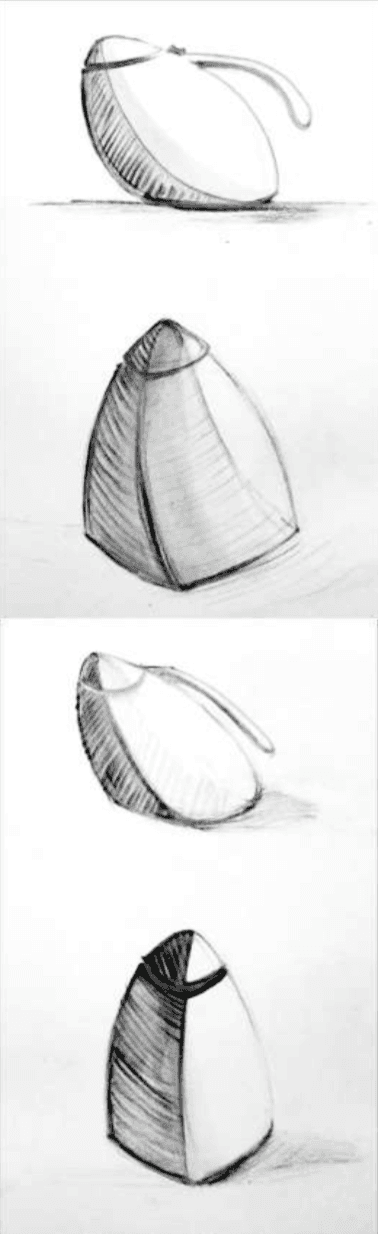
The sketching phase explored the full spectrum — from forms that referenced Victorian-era stovetop kettles through to speculative shapes that abandoned the conventional silhouette entirely.
KEY DECISIONS
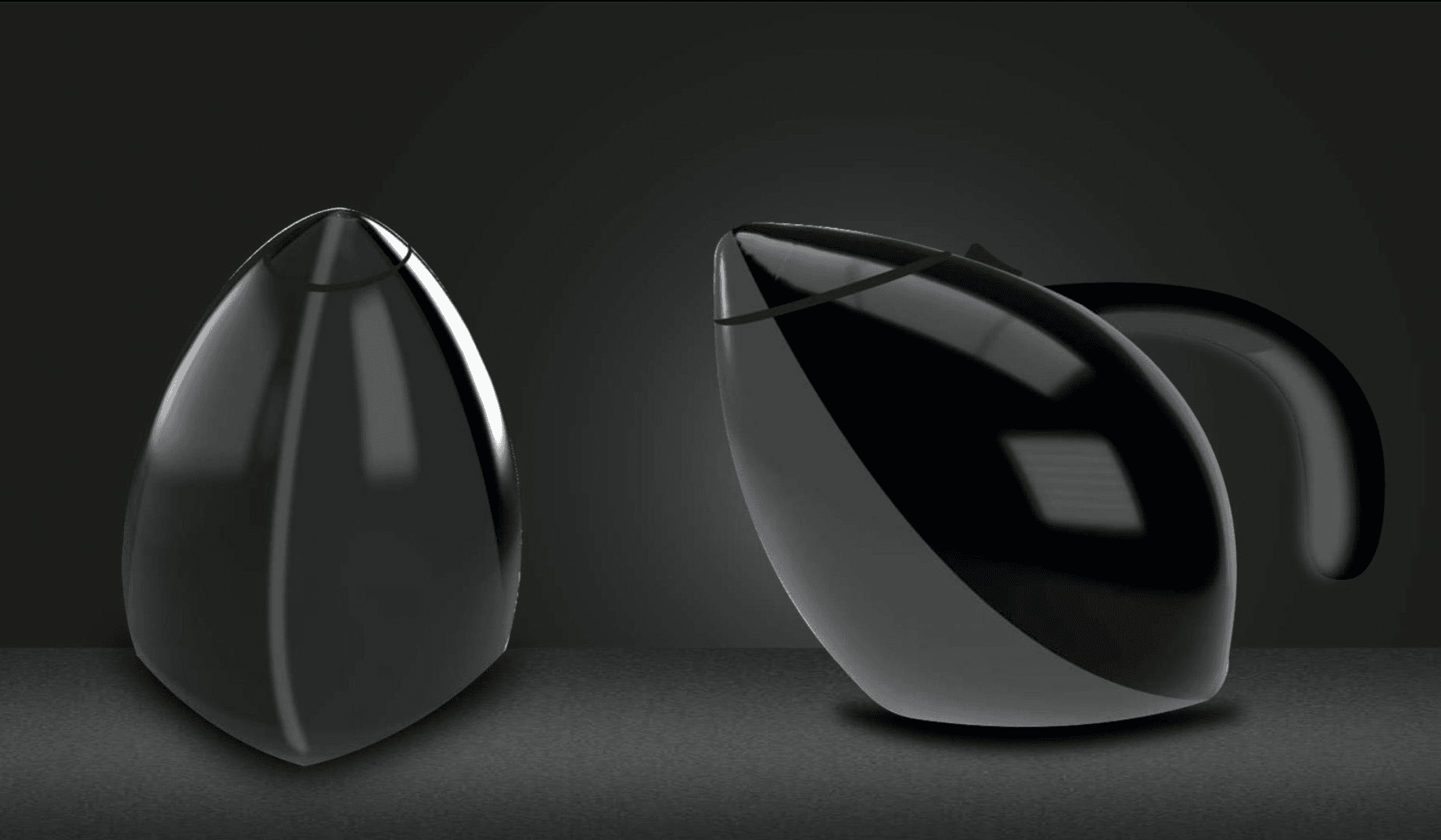
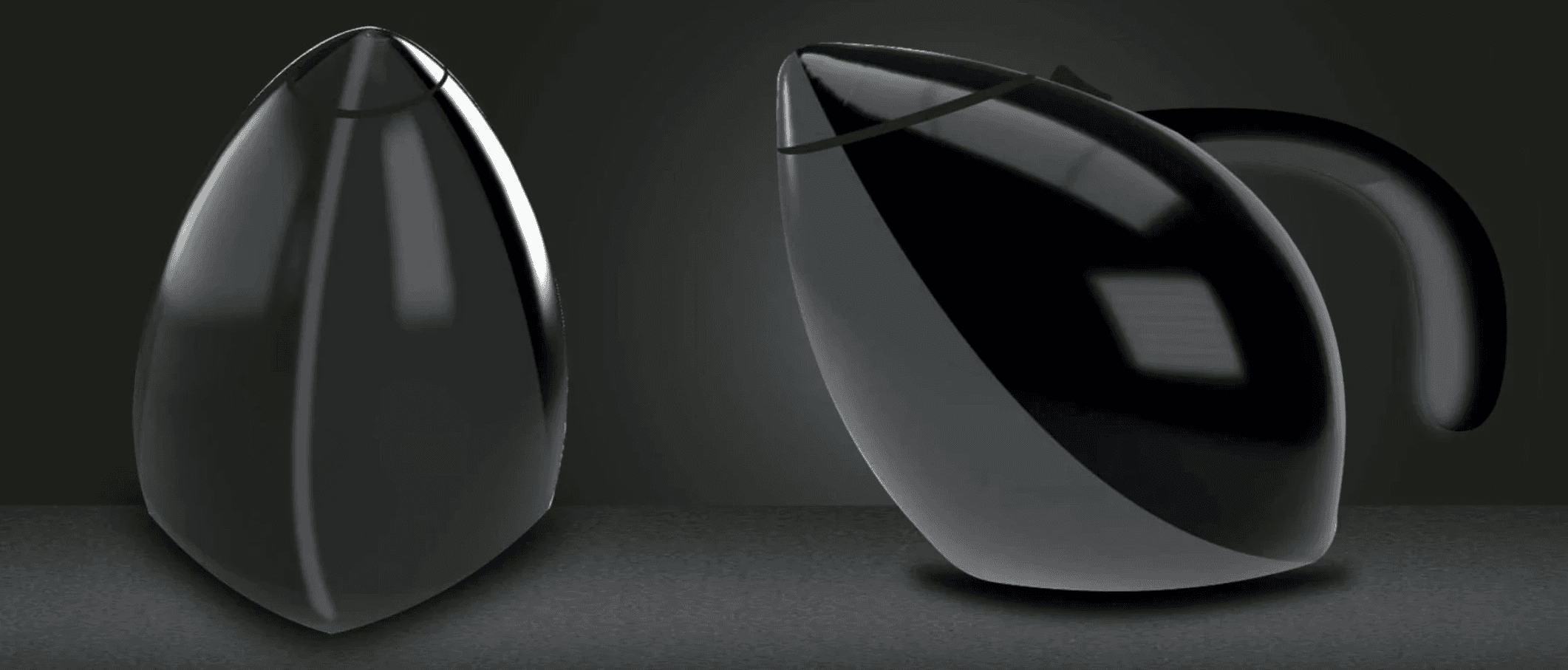
FINAL RENDER
Visible water chamber: The final design uses a transparent or translucent body panel so the water level is always visible. This is the single decision that addresses all three drivers simultaneously — it changes the form, encourages filling less, and gives the user immediate visual feedback.
OUTCOME & REFLECTION
The final design is a resolved concept — sketches and a 3D render — rather than a production-ready object. The historical research turned out to be the most valuable part of the process: understanding why the kettle looks the way it does today made it possible to question which of those decisions were still valid.
What I'd do differently: I'd spend more time on the manufacturing question — understanding which materials and processes would make the transparent panel viable at scale would have sharpened the sustainability argument considerably.
Narrower body, taller profile: A narrower water chamber means a smaller heating surface area — less energy wasted heating the sides. The taller profile gives the same capacity with a smaller footprint on the worktop.
Handle geometry: The handle was redesigned to sit further from the body, reducing heat transfer to the grip. A subtle grip curve follows the natural position of four fingers — not ergonomics as a marketing claim, but as a consequence of actually holding dozens of prototypes.
Form — retro to futuristic
Starting from the historical forms I'd researched, I explored a spectrum from retro-industrial to speculative-future. The sketching phase deliberately avoided settling — the goal was to find what a kettle could look like if it weren't trying to look like a kettle.
Form — retro to futuristic
Starting from the historical forms I'd researched, I explored a spectrum from retro-industrial to speculative-future. The sketching phase deliberately avoided settling — the goal was to find what a kettle could look like if it weren't trying to look like a kettle.
Sustainability — reduce waste by design
The average kettle boils twice the water needed per use. A redesigned form that encouraged single-cup quantities — through a narrower body, a graduated interior, or a visible fill indicator — would reduce energy use without requiring any behaviour change from the user.
User need — visibility and control
Most kettles hide the water level. The redesign made it visible — not as a technical feature, but as a design principle. Knowing how much water you're boiling changes how much you fill it.

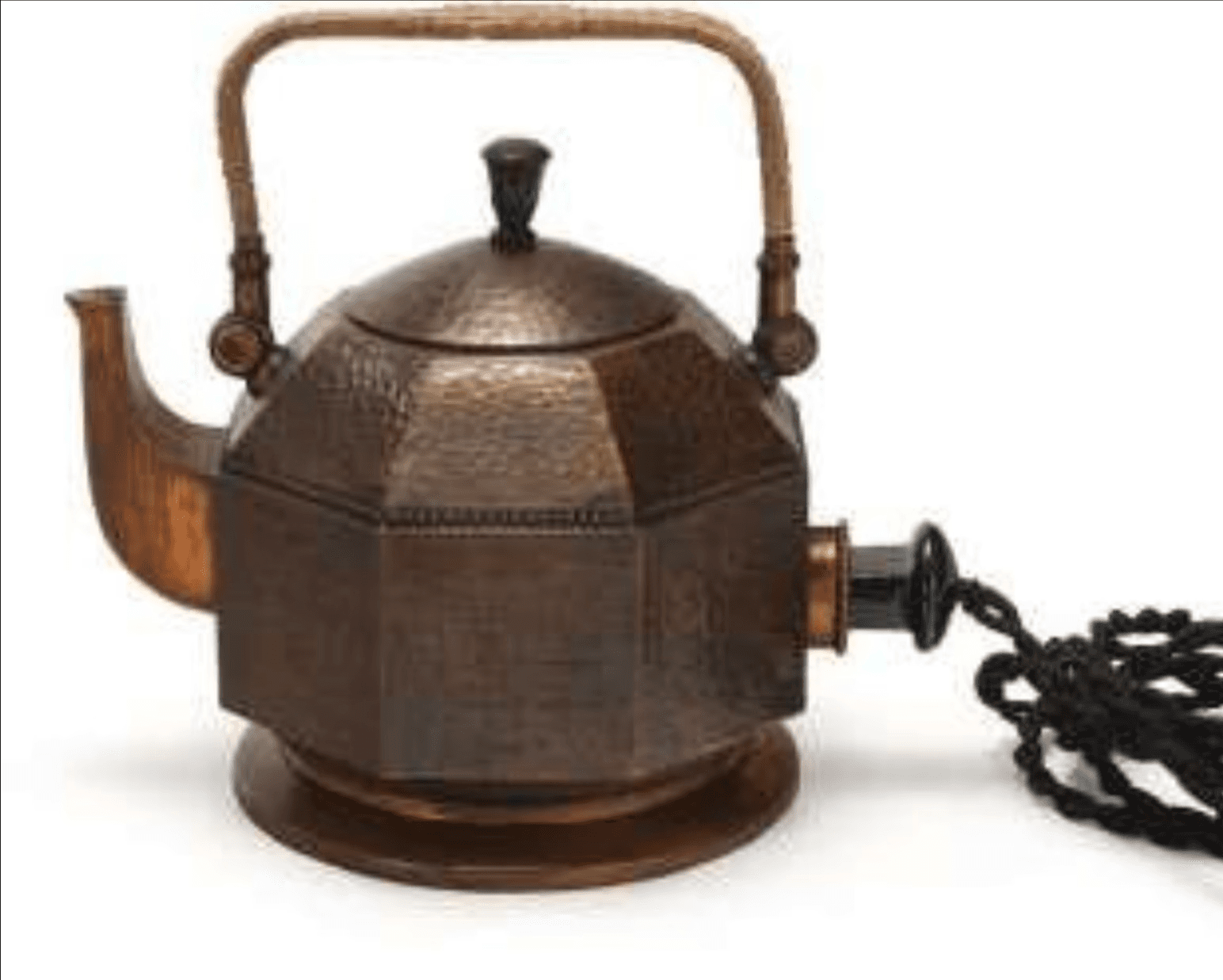
Referencing cast iron and copper stovetop forms — heavy, rounded, with exposed rivets and visible seams.
Retro

Asymmetric silhouettes, transparent panels showing water level, and forms that questioned whether a kettle needs a spout at all.
Futuristic
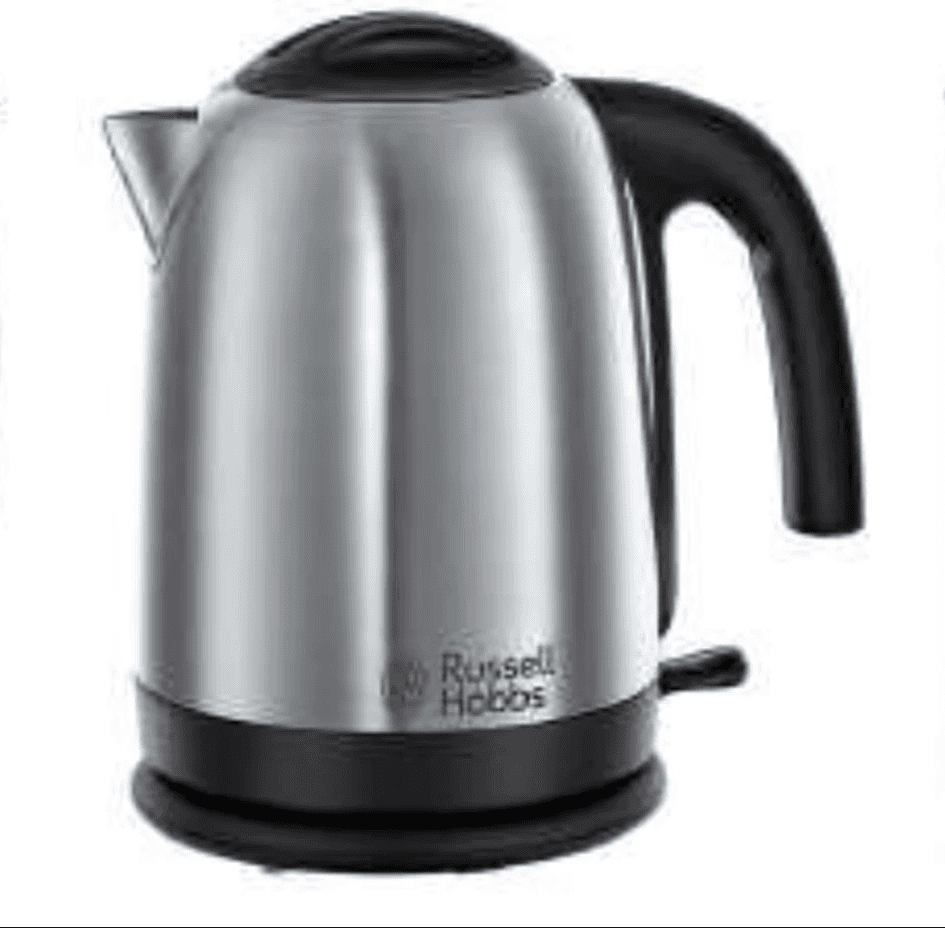
Clean geometric forms, matte finishes, and a focus on the relationship between handle and body.
Mid-century


